
How to Restore a Classic Car: Expert Advice for Vintage Vehicle Enthusiasts

Updated: Feb 18
Restoring a classic car is more than just a project - it’s a journey filled with passion, patience, and a deep appreciation for automotive history. Whether you’re bringing a cherished vintage vehicle back to life or customising a retro beauty, the process can be incredibly rewarding. Together, we’ll explore practical steps and expert tips to help you navigate this exciting adventure with confidence and care.
Getting Started: Assessing Your Classic Car’s Condition
Before diving into the restoration, it’s essential to take a thorough look at your vehicle’s current state. This initial assessment sets the foundation for everything that follows.
Inspect the bodywork: Look for rust, dents, and any signs of previous repairs. Rust can be a major challenge, especially in older cars, so identifying affected areas early helps plan your approach.
Check the engine and mechanical parts: Even if the car isn’t running, try to understand what components need repair or replacement. Sometimes, engines can be rebuilt, but other times a swap might be more practical.
Evaluate the interior: Seats, dashboard, and trim pieces often require attention. Decide if you want to restore original materials or upgrade with modern equivalents.
Document everything: Take photos and notes. This record will be invaluable as you source parts and track progress.
Taking your time here means fewer surprises later. It’s like getting to know an old friend again!

Close-up of rust damage on a classic car sil, highlighting areas needing repair
Planning Your Restoration Project: Setting Goals and Budget
Once you understand your car’s condition, it’s time to plan. Restoration can be a big commitment, so clear goals and a realistic budget are key.
Define your vision: Are you aiming for a full concours restoration, a daily driver, or a custom showpiece? Your goals will influence every decision.
Create a budget: Factor in parts, labour, tools, and unexpected expenses. Classic car restoration often uncovers hidden issues, so it’s wise to set aside a contingency fund.
Prioritise tasks: Some repairs are critical for safety and functionality, while others can wait. Breaking the project into phases helps keep things manageable.
Research parts and suppliers: Finding authentic or compatible parts can be tricky. Join forums, visit swap meets, and connect with specialists to source what you need.
Remember, restoration is a marathon, not a sprint. Planning carefully helps keep the process enjoyable and on track.
Essential Tools and Workspace Setup
Having the right tools and a comfortable workspace makes a huge difference. You don’t need a professional garage, but a clean, organised area with good lighting is a must.
Basic hand tools: Wrenches, screwdrivers, pliers, and socket sets are your bread and butter.
Specialised equipment: Depending on your car, you might need engine hoists, paint sprayers, or welding gear.
Safety gear: Gloves, goggles, and masks protect you during sanding, painting, and mechanical work.
Storage solutions: Keep parts labelled and organised to avoid confusion later.
Setting up your workspace thoughtfully not only speeds up the job but also makes it more enjoyable. Plus, it’s safer!

Eye-level view of a classic car restoration workshop showing organised tools and parts
Step-by-Step Restoration Process: From Strip Down to Rebuild
Now, let’s get into the heart of the project. While every car and restoration is unique, here’s a general roadmap to guide you:
Strip the car down: Remove trim, interior, engine, and other components carefully. Label everything to make reassembly easier.
Bodywork repairs: Address rust, dents, and structural issues. This might involve welding new panels or using filler for minor imperfections.
Paint preparation: Sand and prime the body. Choose your paint colour and finish thoughtfully - it’s the car’s new skin!
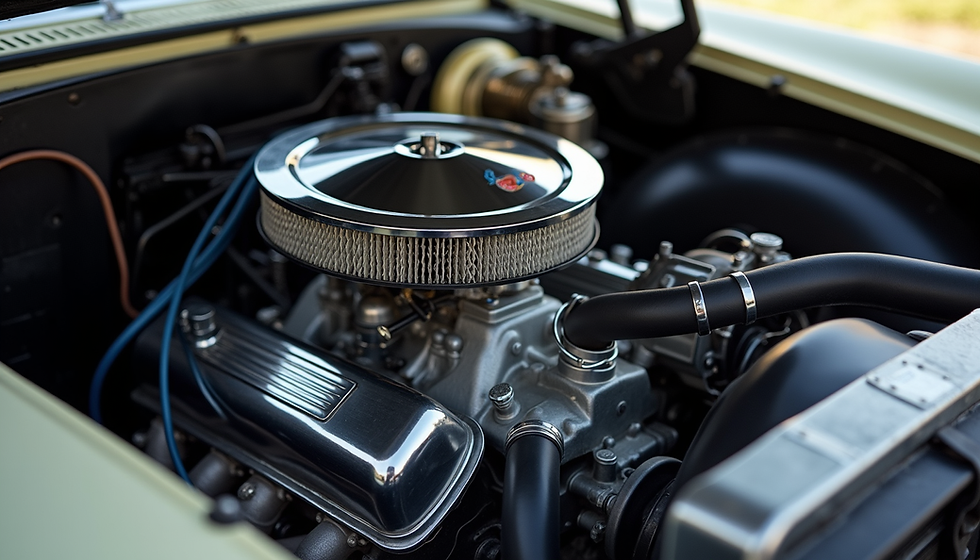
Mechanical overhaul: Rebuild or replace the engine, transmission, brakes, and suspension. This step ensures your car runs smoothly and safely.
Interior restoration: Repair or replace seats, carpets, dashboard, and trim. Authenticity matters here, but comfort and durability are important too.
Reassembly: Put everything back together carefully, checking fit and function as you go.
Final touches: Polish paint, tune the engine, and add any custom details that make the car uniquely yours.
Throughout this process, patience is your best friend. Celebrate small victories and don’t hesitate to seek expert help when needed.
Tips for Sourcing Parts and Finding Expert Help
One of the trickiest parts of restoration is finding the right parts and advice. Here are some strategies that have worked well:
Join classic car clubs and online forums: These communities are treasure troves of knowledge and often have members selling parts.
Attend swap meets and classic car shows: You can find rare parts and meet experts who can offer guidance.
Use specialist suppliers: Companies dedicated to classic car parts often have hard-to-find items and can advise on compatibility.
Consider professional services: For complex tasks like engine rebuilding or paintwork, hiring specialists can save time and ensure quality.
By building a network of resources, you’ll feel supported throughout your restoration journey.
Enjoying the Ride: Maintaining Your Restored Classic Car
Once your classic car is restored, the fun really begins! Keeping it in great shape requires regular care:
Routine maintenance: Change oil, check fluids, and inspect brakes regularly.
Proper storage: Protect your car from the elements with a garage or quality cover.
Drive it often: Classic cars love to be driven. Regular use keeps mechanical parts in good condition.
Join events: Show off your hard work at local meets or vintage rallies. It’s a great way to connect with fellow enthusiasts.
Restoration is just the start of a lifelong relationship with your classic car. Enjoy every mile!
Restoring a classic car is a labour of love that brings history back to life. If you’re wondering Step-by-Step Guide to Restoring a Classic Car, remember that every step is part of a rewarding journey. With careful planning, the right tools, and a bit of patience, we can all create stunning, show-stopping vehicles that turn heads and warm hearts.
Happy restoring!


Comments