
Top Tips for Classic Car Upkeep - Keeping Your Vintage Ride in Prime Condition

Updated: Feb 18
Owning a classic car is a joy like no other. There’s something magical about the gleam of polished chrome, the rumble of a vintage engine, and the stories these cars carry. But with that joy comes responsibility. Classic cars need a bit more love and attention than modern vehicles. Together, let’s explore some practical and effective ways to keep our cherished rides running smoothly and looking stunning for years to come.
Essential Classic Car Upkeep Tips for Every Enthusiast
When it comes to maintaining a classic car, a proactive approach is key. These vehicles were built in a different era, and their care requires a blend of patience, knowledge, and dedication. Here are some essential tips that have helped many of us keep our classics in tip-top shape:
Regular Cleaning and Waxing
Dirt and grime can be more than just an eyesore; they can damage paint and metal over time. We should wash our cars gently with pH-balanced car shampoo and dry them thoroughly. Waxing every few months adds a protective layer that keeps the paint vibrant and shields it from the elements.
Check and Change Fluids Frequently
Classic cars often have older seals and gaskets that can leak or degrade. Regularly checking engine oil, brake fluid, coolant, and transmission fluid is crucial. Changing these fluids on schedule helps prevent corrosion and keeps the engine running smoothly.
Inspect and Maintain the Battery
Batteries in classic cars can drain quickly if the vehicle isn’t driven often. Keeping the terminals clean and using a trickle charger during long storage periods can save us from unexpected breakdowns.
Tire Care and Pressure Checks
Old tires can crack and lose grip, which is dangerous. We should inspect tires for wear and dry rot, and maintain the correct pressure to ensure safety and performance.
Store Your Car Properly
Whenever possible, keep your classic in a dry, temperature-controlled garage. Using a breathable car cover can protect it from dust and moisture without trapping condensation.

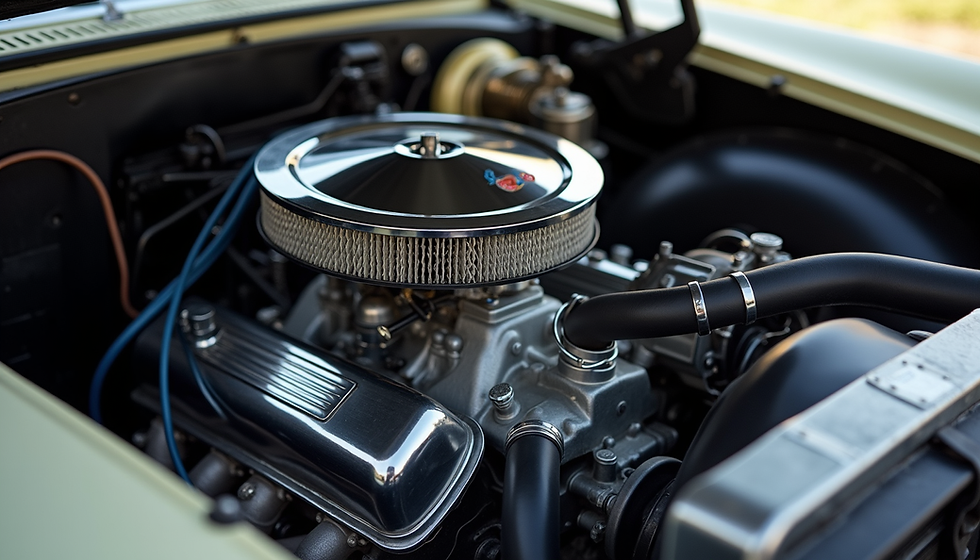
Keeping the engine bay clean and polished helps spot issues early and preserves the car’s value.
What is the easiest classic car to maintain?
If you’re just starting your journey into classic car ownership or looking to add a low-maintenance gem to your collection, you might wonder which models are the easiest to care for. Generally, cars with simpler mechanical systems and widely available parts tend to be less demanding.
For example, the Volkswagen Beetle is often praised for its straightforward air-cooled engine and robust design. Its parts are plentiful, and many mechanics are familiar with its quirks. Similarly, the Mini offers a good balance of classic appeal and relative ease of maintenance, thanks to its popularity and the abundance of aftermarket support.
On the other hand, some classics like certain Jaguars or Alfa Romeos might require more specialised knowledge and parts sourcing, which can add complexity and cost.
Choosing a classic car that matches your mechanical comfort level and access to resources can make all the difference in your ownership experience.
Keeping the Electrical System in Check
Electrical gremlins can be a common headache in vintage vehicles. Wiring insulation can become brittle, connections corrode, and switches wear out. Here’s how we can keep the electrical system reliable:
Inspect Wiring Harnesses
Look for cracked or frayed wires and replace them as needed. Using dielectric grease on connectors helps prevent corrosion.
Test Lights and Gauges Regularly
Flickering or dim lights can signal underlying issues. Checking bulbs and fuses often saves us from surprises on the road.
Upgrade When Appropriate
While keeping originality is important, upgrading to modern relays or adding a fuse box can improve reliability without compromising the car’s character.
Fuel System Care - Avoiding Common Pitfalls
Old fuel can wreak havoc on classic cars. Ethanol-blended petrol, common today, can damage older fuel systems not designed for it. Here’s what we can do:
Use Fuel Stabiliser
If the car is stored for long periods, adding a stabiliser prevents fuel degradation and varnish build-up.
Drain and Replace Fuel Regularly
Avoid letting fuel sit in the tank for months. Running the engine occasionally or draining old fuel helps keep the system clean.
Inspect Fuel Lines and Filters
Rubber hoses can crack and leak. Replacing fuel lines and filters on a schedule keeps the engine fed clean fuel and reduces fire risk.

Regular inspection of fuel lines and filters helps prevent leaks and engine issues.
Why Patience and Documentation Matter
One of the most valuable lessons we learn as classic car owners is patience. Parts may take time to source, repairs can be intricate, and sometimes progress feels slow. But every small step brings us closer to preserving a piece of automotive history.
Keeping detailed records of maintenance, repairs, and upgrades is also a smart move. Not only does it help us track what’s been done, but it also adds value if we ever decide to sell. A well-documented classic car shows care and commitment, which buyers appreciate.
Maintaining a classic car is a rewarding journey filled with learning and pride. By following these practical tips and embracing the unique needs of our vintage vehicles, we ensure they remain stunning, reliable, and ready to turn heads wherever we go. Let’s keep these timeless beauties on the road and in our hearts for many years to come!
For more detailed advice, check out these classic car maintenance tips to deepen your knowledge and care routine.


Comments